BitcoinWorld Germany IFO Business Climate Index Beats Expectations in July, Rising to 86.6 Germany’s IFO Business Climate index rose to 86.6 in July, surpassing the consensus forecast of 86.1, according to data released on [insert date]. The reading, based on a survey of approximately 9,000 firms, indicates a modest improvement in business sentiment across Europe’s …
BitcoinWorld
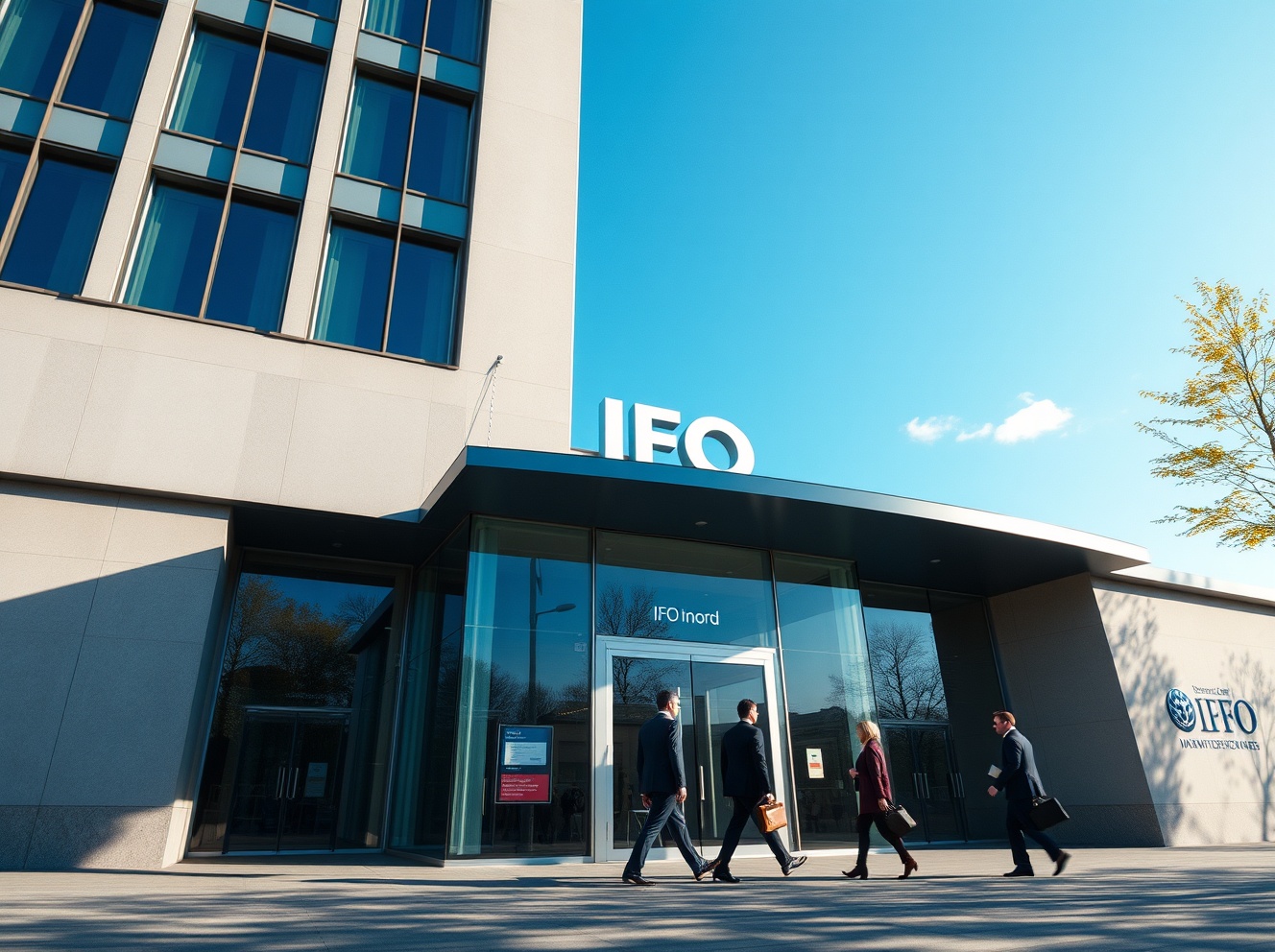
Germany IFO Business Climate Index Beats Expectations in July, Rising to 86.6
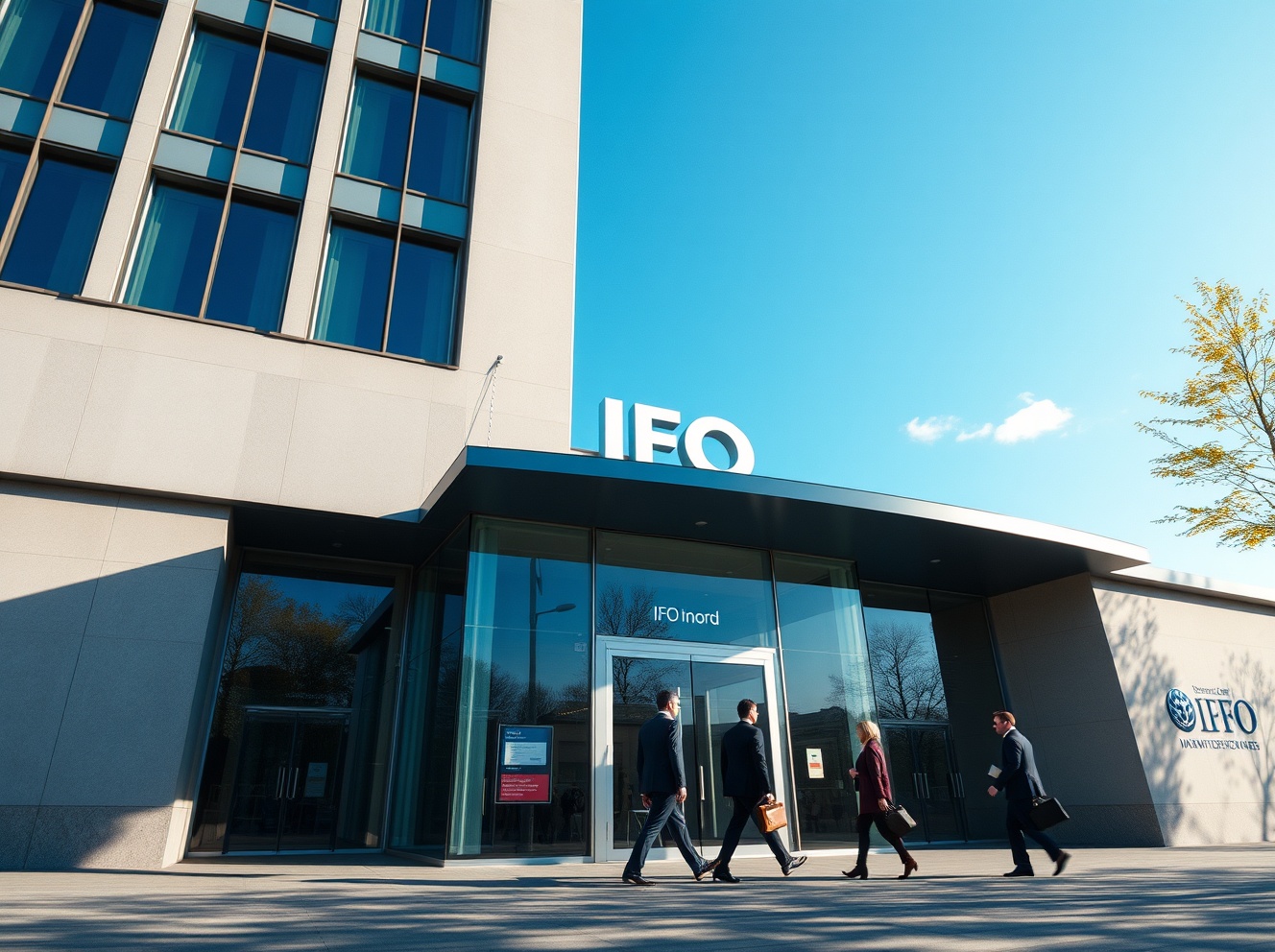
Germany’s IFO Business Climate index rose to 86.6 in July, surpassing the consensus forecast of 86.1, according to data released on [insert date]. The reading, based on a survey of approximately 9,000 firms, indicates a modest improvement in business sentiment across Europe’s largest economy, though it remains below the long-term average, reflecting persistent headwinds.
What the IFO Index Measures and Why It Matters
The IFO Business Climate index is a widely watched leading indicator for the German economy. It aggregates assessments of the current business situation and expectations for the next six months from companies in manufacturing, services, trade, and construction. A reading above 100 signals expansion; below 100 indicates contraction. July’s 86.6, while still in contraction territory, marks a slight uptick from the previous month’s revised figure, suggesting that the downturn may be bottoming out.
Key Drivers Behind the July Uptick
The better-than-expected result was driven by a more optimistic assessment of current conditions, which rose to 88.3 from 88.0 in June. Expectations for the coming months also improved marginally to 84.8 from 84.5. Analysts attribute the improvement to easing supply chain pressures, a stabilization in energy costs, and resilient export demand, particularly from the United States and parts of Asia. However, the manufacturing sector continues to struggle with weak domestic orders and high borrowing costs.
Implications for the Broader Eurozone Economy
Germany’s economic performance has significant ripple effects across the eurozone. As the bloc’s largest economy, any sign of stabilization in Germany supports the case for a gradual recovery in the second half of the year. The European Central Bank (ECB) will likely view this data as consistent with its assessment that inflation is moderating, though it may not alter the timeline for potential rate cuts. Markets reacted mildly positively, with the euro edging higher against the dollar and German bond yields ticking up slightly.
Conclusion
The July IFO reading offers a cautious but welcome sign that the German economy may be stabilizing after a prolonged period of weakness. While the index remains below the 90 threshold that historically signals a healthy expansion, the modest beat against expectations provides some relief to policymakers and investors. Continued monitoring of incoming data, particularly industrial orders and consumer spending, will be essential to confirm whether this improvement is sustainable.
FAQs
Q1: What is the IFO Business Climate index?
The IFO Business Climate index is a monthly survey-based indicator that measures the current business situation and expectations of German companies across key sectors. It is considered a reliable leading indicator for the German economy.
Q2: Why did the IFO index rise in July?
The index rose to 86.6 from a previous reading, driven by slightly improved assessments of current conditions and modestly brighter expectations. Factors include easing supply chain issues, stable energy prices, and resilient export demand.
Q3: What does the July reading mean for the German economy?
The reading suggests that the German economy may be stabilizing after a period of contraction, though it remains in negative territory. It signals a potential bottoming out rather than a strong recovery, with risks still tilted to the downside.
This post Germany IFO Business Climate Index Beats Expectations in July, Rising to 86.6 first appeared on BitcoinWorld.