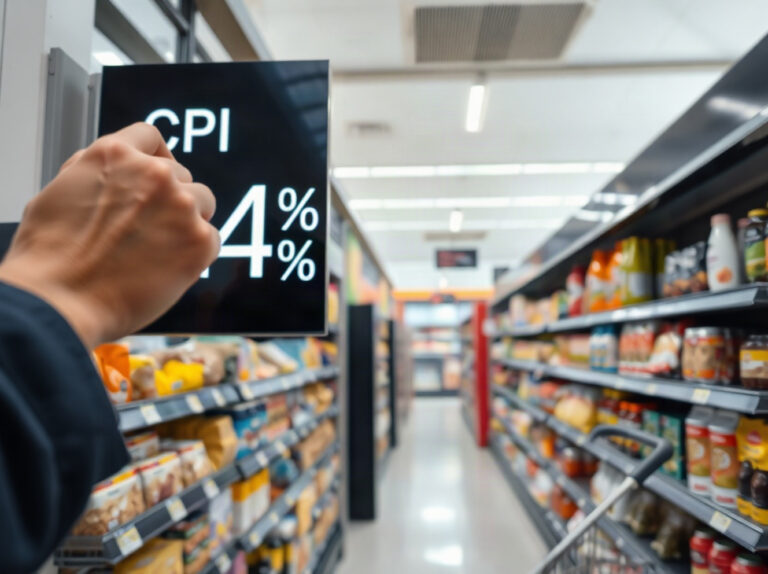
BitcoinWorld Belgium Inflation Slows in August as CPI Rises 0.4% Month-on-Month Belgium’s consumer price index (CPI) rose 0.4% in August on a month-on-month basis, easing from the 0.63% increase recorded in July, according to the latest data released by Statbel. This slowdown signals a moderation in inflationary pressures within the Belgian economy, offering some relief …
BitcoinWorld
Belgium Inflation Slows in August as CPI Rises 0.4% Month-on-Month
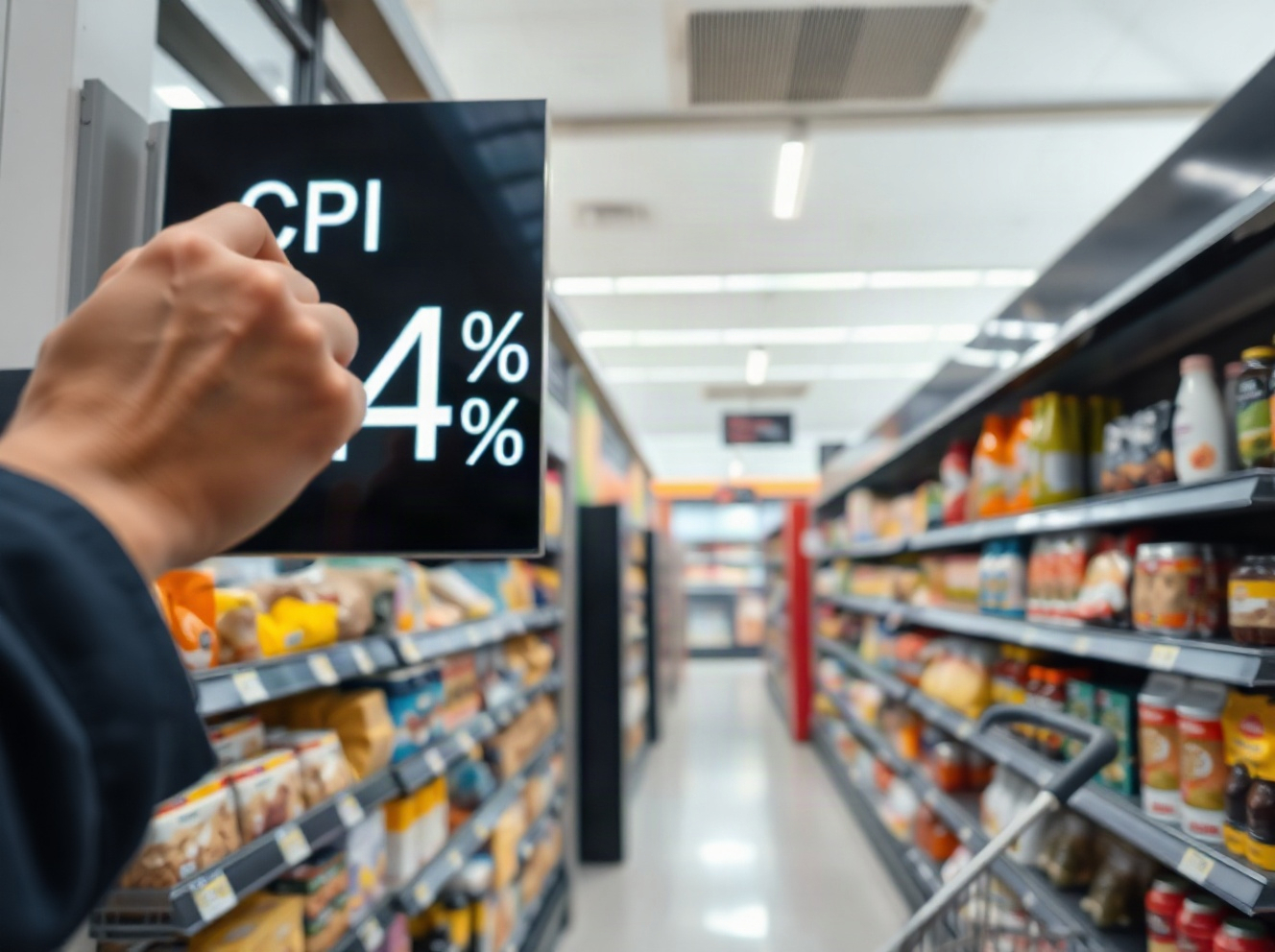
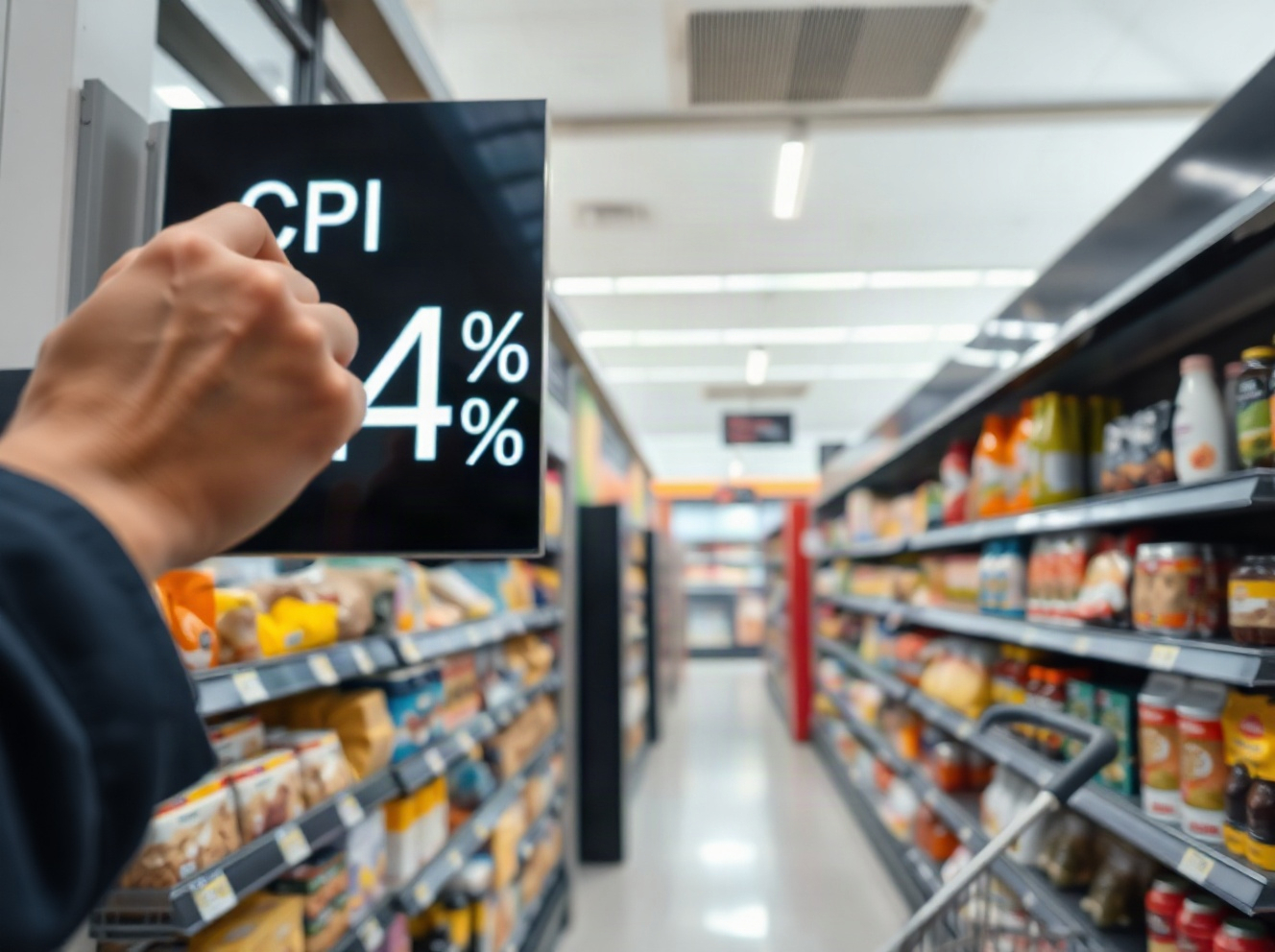
Belgium’s consumer price index (CPI) rose 0.4% in August on a month-on-month basis, easing from the 0.63% increase recorded in July, according to the latest data released by Statbel. This slowdown signals a moderation in inflationary pressures within the Belgian economy, offering some relief to consumers and policymakers alike.
Understanding the August CPI Reading
The monthly CPI increase of 0.4% in August reflects a deceleration from July’s 0.63% pace. While the index still moved upward, the slower rate suggests that the cost of goods and services is rising at a more subdued pace than in the previous month. This data is seasonally adjusted and provides a short-term view of price dynamics, which is crucial for monitoring inflation trends.
Drivers behind the slowdown may include a moderation in energy prices, which had spiked earlier in the year, and a cooling in food price increases. However, core inflation, which excludes volatile items like energy and unprocessed food, remains a key focus for analysts as it indicates underlying price pressures.
Implications for the Eurozone and ECB Policy
As a founding member of the European Union and the Eurozone, Belgium’s inflation data contributes to the overall euro-area inflation picture. The European Central Bank (ECB) closely monitors national CPI figures to calibrate its monetary policy. A slower Belgian CPI could influence expectations of future interest rate decisions, especially if other Eurozone countries show similar trends.
For consumers, a slowdown in inflation may translate to less pressure on household budgets, though prices are still rising, just at a slower pace. For businesses, the data may signal a more stable cost environment, potentially aiding in planning and investment decisions.
What This Means for the Belgian Economy
The moderation in CPI growth is a positive sign for the Belgian economy, which has been grappling with high inflation over the past year. However, economists caution that one month’s data does not establish a definitive trend. They will look for sustained declines in the coming months to confirm that inflation is on a downward path.
Additionally, the Belgian government’s measures to mitigate energy costs, such as reduced VAT on electricity, may have contributed to the slowdown. The full impact of these policies will be clearer in subsequent releases.
Conclusion
Belgium’s August CPI rose 0.4% month-on-month, a slowdown from July’s 0.63% increase, indicating a cooling of inflationary pressures. While this is a welcome development, it remains to be seen whether this trend will continue. The data will be closely watched by the ECB and market participants as they assess the path of inflation in the Eurozone.
FAQs
Q1: What is the Belgium CPI?
The Consumer Price Index (CPI) measures the average change in prices paid by consumers for a basket of goods and services. It is a key indicator of inflation.
Q2: Why did the CPI slow down in August?
The slowdown is likely due to moderating energy prices and a cooling in food price increases, though specific factors can vary.
Q3: How does Belgium’s CPI affect the ECB’s policy?
Belgium’s CPI is part of the Eurozone’s inflation data, which the ECB uses to set interest rates. A slower CPI could influence the ECB’s decisions on monetary policy.
This post Belgium Inflation Slows in August as CPI Rises 0.4% Month-on-Month first appeared on BitcoinWorld.