BitcoinWorld Hong Kong SAR Inflation Holds at 1.7% in July, Matching Market Expectations Hong Kong SAR’s consumer price index (CPI) rose 1.7% in July, matching market forecasts and holding steady from the previous month, according to official data released on [date]. The figure underscores a period of subdued inflationary pressure in the city, even as …
BitcoinWorld
Hong Kong SAR Inflation Holds at 1.7% in July, Matching Market Expectations
Hong Kong SAR’s consumer price index (CPI) rose 1.7% in July, matching market forecasts and holding steady from the previous month, according to official data released on [date]. The figure underscores a period of subdued inflationary pressure in the city, even as housing costs and food prices remain key drivers.
What the Data Shows
The 1.7% year-on-year increase in July aligns with economists’ projections and follows a similar reading in June. Underlying inflation, which strips out the effects of government relief measures, also rose 1.7% in July, reflecting broad-based but moderate price gains across major categories.
Netting out the impact of one-off government payments and subsidies, the underlying CPI increase was 1.7% in July, the same as in June. The seasonally adjusted CPI for the three months ending July rose 0.6% compared with the previous three-month period.
Key Contributors to Inflation
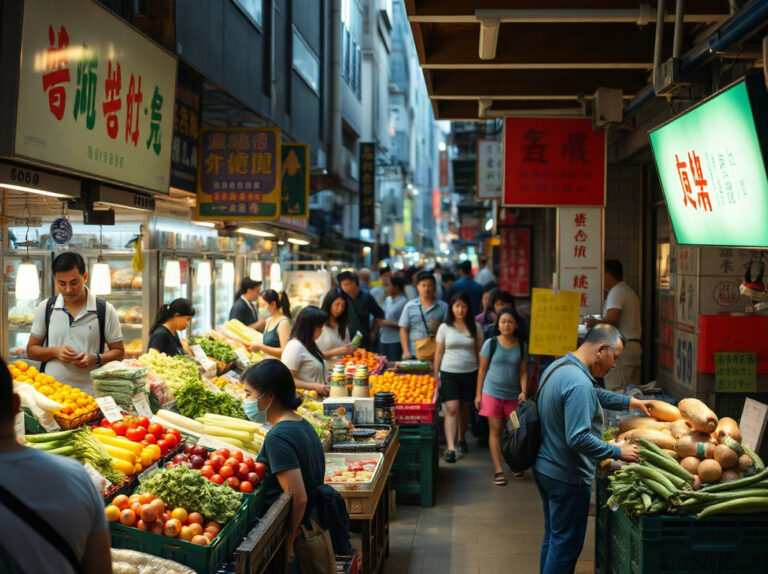
Among the major components, food prices, especially meals out and takeaway food, continued to rise, contributing significantly to the overall index. Housing costs, including private housing rent, also increased, though at a slower pace than in previous months.
Electricity, gas, and water prices declined year-on-year, partially offsetting the increases in food and housing. Clothing and footwear prices also fell, providing some relief to consumers.
What This Means for Consumers and the Economy
For households, the 1.7% inflation rate means the cost of living is rising at a moderate pace, with food and housing expenses likely to absorb a larger share of budgets. However, the absence of sharp price spikes suggests that purchasing power is not being eroded rapidly.
From a policy perspective, the data gives the Hong Kong Monetary Authority (HKMA) room to maintain its current monetary stance, which is pegged to the US Federal Reserve’s policy. With inflation in check, the focus remains on supporting economic growth and maintaining financial stability.
Outlook and Expert Views
Economists expect inflation to remain benign in the coming months, barring any major supply-side shocks. The government’s earlier forecast of 1.7% for the year appears on track, though external factors such as global food and energy prices could alter the trajectory.
Analysts note that while inflation is mild, the broader economic environment—including tourism recovery and domestic demand—will be key to sustaining price stability. The upcoming months will show whether the trend holds as the city continues to navigate global uncertainties.
Conclusion
Hong Kong SAR’s CPI rose 1.7% in July, matching forecasts and indicating stable inflationary conditions. With food and housing leading the increases, consumers face modest cost pressures, but the overall picture remains one of manageable inflation. Policymakers will likely keep a close watch on external risks, while the data supports a steady monetary approach.
FAQs
Q1: What is the current inflation rate in Hong Kong SAR?
As of July, the year-on-year CPI increase was 1.7%, matching market expectations and the same as the previous month.
Q2: What items are driving the price increases?
Food prices, particularly meals out and takeaway, along with private housing rents, are the main contributors to the rise in the overall index.
Q3: How does this inflation data affect interest rates?
The moderate inflation gives the HKMA room to maintain its current monetary policy, which follows the US Federal Reserve’s rate decisions, without immediate pressure to adjust.
This post Hong Kong SAR Inflation Holds at 1.7% in July, Matching Market Expectations first appeared on BitcoinWorld.